Synopsis
- Russians have also sweetened the offer of the jet by offering 100% source code access, which is unique in any fighter jet deal around the world, and with the access of source code, India won’t have to rely on the Russians to integrate its own weapons, sensors or anything it will want to add to the jet in the future, if required.
IgMp Bulletin
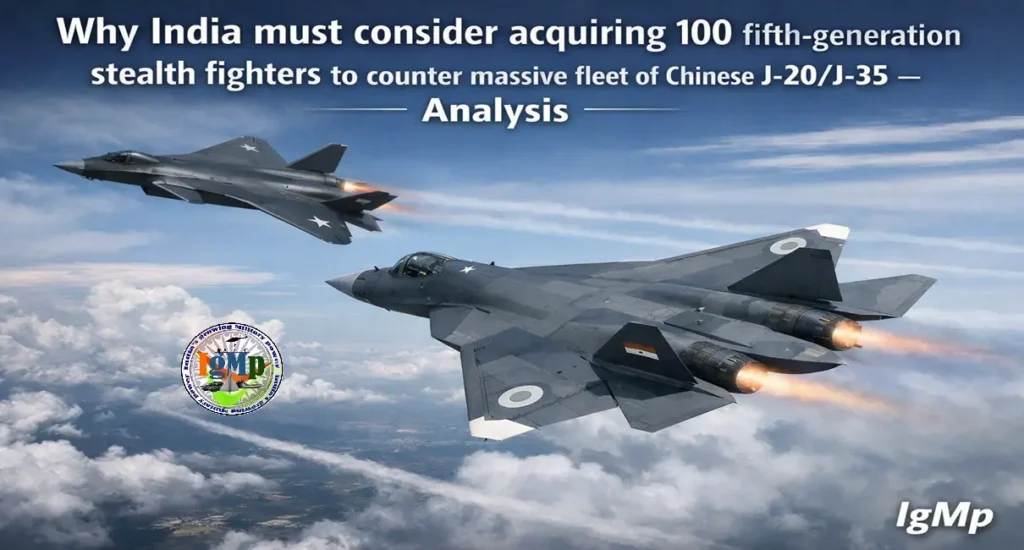
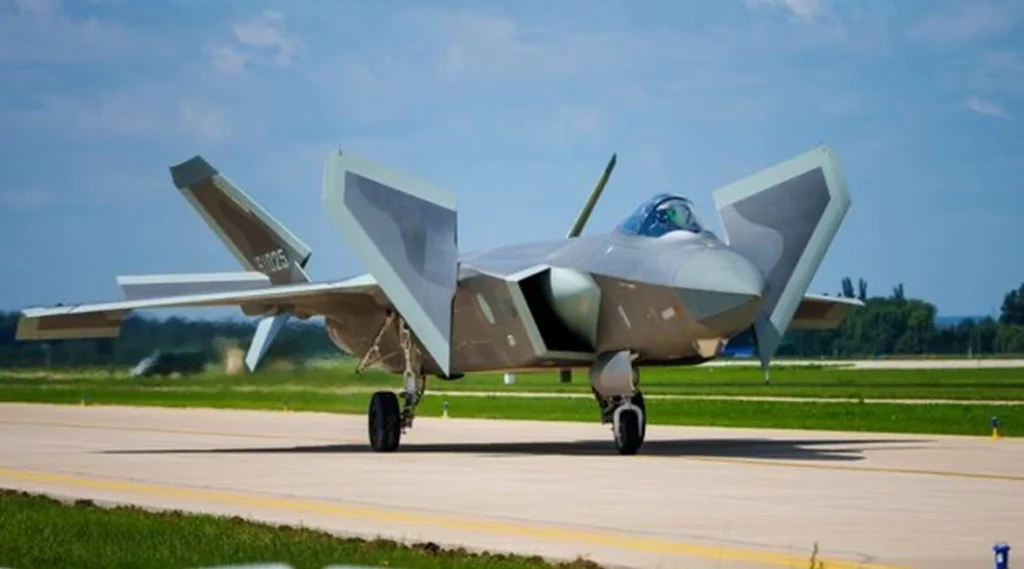
Asia’s airpower balance is entering a new phase as China rapidly expands its stealth fighter fleet, forcing strategic planners in India to rethink the future composition of the Indian Air Force. By early 2026, defence estimates indicate that the People’s Liberation Army Air Force has already crossed the milestone of more than 300 operational Chengdu J-20 fifth-generation stealth fighters deployed across multiple regiments. What was once considered a gradual capability build-up has now matured into a high-density operational force.
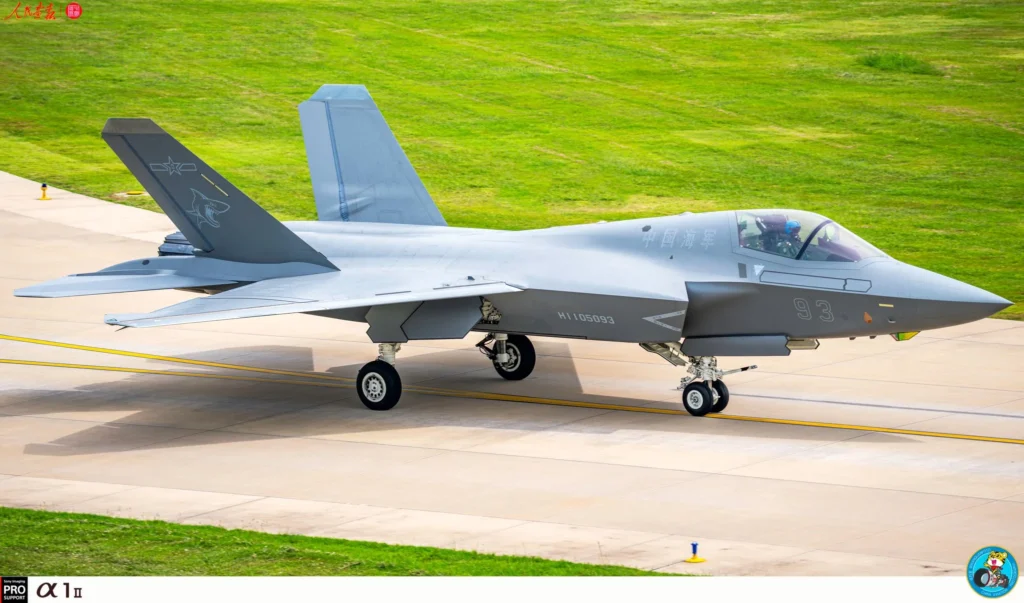
China is also introducing a second stealth platform, the Shenyang J-35, which officially entered service in late 2025. Unlike the larger J-20 designed primarily for long-range air superiority missions, the J-35 is intended as a multi-role stealth fighter that can be produced in larger numbers for theatre-level operations. Together, these aircraft form the backbone of China’s strategy to dominate contested airspace across the Indo-Pacific.
The technological race is not stopping at fifth-generation fighters. Chinese aerospace researchers are already experimenting with next-generation tailless stealth concepts often referred to in defence circles as the J-36 and J-50. These sixth-generation demonstrators reportedly began early flight testing between 2024 and 2025, signalling Beijing’s intention to move rapidly toward future air combat architectures.
Against this backdrop, India currently operates no fifth-generation stealth fighters. The country’s air combat capability rests largely on a powerful but conventional 4.5-generation backbone consisting of aircraft like the Dassault Rafale, upgraded Sukhoi Su-30MKI fighters and the indigenous HAL Tejas family. These platforms remain highly capable, especially with new weapons and sensors, but they do not provide the low-observable penetration capabilities associated with stealth aircraft.
India’s indigenous stealth fighter, the HAL AMCA, is under development but still years away from operational deployment. Current timelines suggest prototype flights around 2028–2029 and squadron induction sometime after 2034. That creates a potential “stealth vacuum” lasting nearly a decade during which China will continue expanding its own stealth fleet.
This timeline has revived debate within strategic circles about acquiring an interim fleet of around 100 fifth-generation fighters to bridge the capability gap until AMCA becomes operational. From a force-structure perspective, such a purchase would translate into roughly five to six squadrons—considered the minimum required to provide a credible stealth presence across both India’s western and northern fronts while allowing for maintenance cycles.
Threat versus requirement in 2026 can be summarised clearly:
| Factor | PLAAF (China) 2026 Status | IAF Strategic Need |
|---|---|---|
| Current Fleet | 300+ J-20 fighters with J-35 induction | No operational stealth fighters |
| Production Rate | Estimated 100+ stealth aircraft annually | AMCA prototype flight expected 2028–29 |
| Strategic Objective | Regional Anti-Access / Area Denial dominance | Interim stealth deterrence capability |
| Potential Solutions | J-20, J-35 and emerging J-36 concepts | Acquisition of Su-57M1 or F-35A |
Two realistic options are frequently discussed in defence circles: the Russian Sukhoi Su-57 and the American Lockheed Martin F-35 Lightning II.
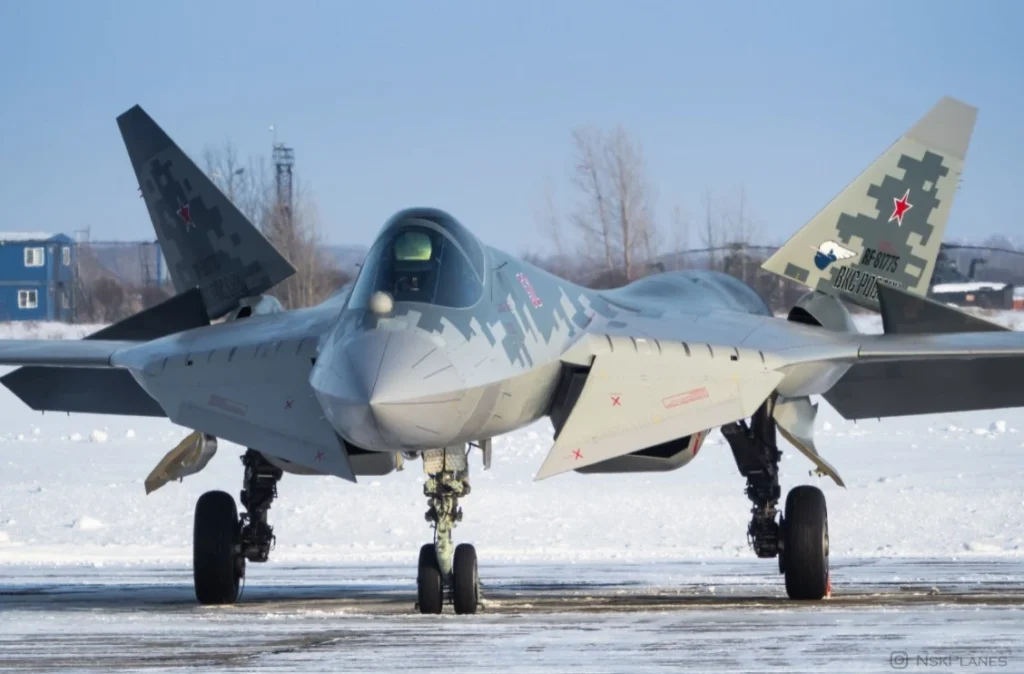
Recent reports suggest India could evaluate the upgraded Su-57M1 variant, which incorporates the new AL-51F-1 engine enabling sustained supercruise at around Mach 1.6. This capability is particularly attractive for high-altitude interception roles along the Himalayan frontier. The Su-57’s design also prioritises manoeuvrability and long-range air combat, aligning well with India’s existing Sukhoi doctrine. One advantage for India in case of Su-57 is that the possibility of deeper customisation, including integration of indigenous systems such as Indian AESA radar technology, electronic warfare suites and mission computers. The aircraft also shares operational philosophy with the Su-30MKI, potentially simplifying pilot transition and maintenance. Russians have also sweetened the offer of the jet by offering 100% source code access, which is unique in any fighter jet deal around the world, and with the access of source code, India won’t have to rely on the Russians to integrate its own weapons, sensors or anything it will want to add to the jet in the future, if required. But for that, Russians have already told the Indian defence planners that India must commit at least 140 jets that will be produced locally under technology transfer in India in HAL facility.
The F-35 represents a different philosophy. Rather than pure air dominance, the aircraft functions as a networked sensor node capable of sharing battlefield data with other assets. In theory, its sensor fusion capabilities could help guide weapons fired by Rafale fighters or provide targeting support for surveillance platforms and unmanned systems. Within a networked environment, the aircraft acts as a force multiplier rather than just another fighter. Operating the aircraft would also bring India closer to Western defence ecosystems and advanced combat data-link networks. However, it would likely involve stricter export controls and limited flexibility for integrating non-NATO weapons such as India’s own Astra series BVR missiles and Rudram series anti-radiation missiles. It will also be difficult to integrate the F-35 into the Indian Air Force architecture where it operates different origin aircraft including the Russian Su-30, and also operate Russia S-400 air defence system, which is the biggest negavtive in favour of F-35 acquisition.
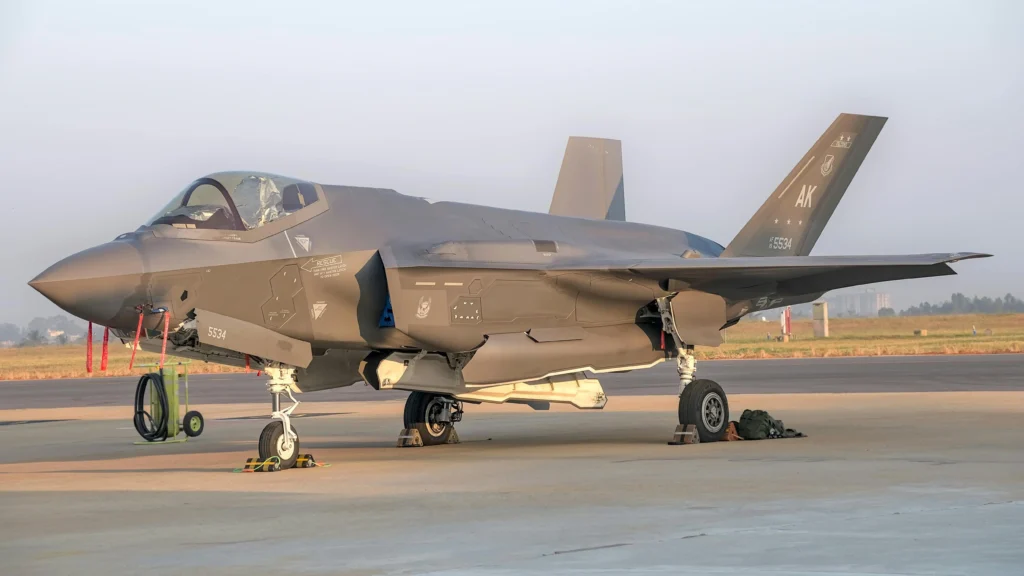
Acquisition of 100 5th generation stealth fighters from abroad, will also augment IAF’s fighter squadron shortfalls also, as India is targetting 50-fighter squadron instead of the earlier sanctioned 42 squadrons now.
Crucially, acquiring an interim stealth fleet does not necessarily undermine India’s indigenous aircraft development plans. On the contrary, operating fifth-generation aircraft would expose Indian engineers and pilots to stealth maintenance, sensor integration and network-centric warfare—skills directly relevant to the AMCA programme.
India’s future air combat architecture will likely combine multiple layers: Rafale fighters upgraded to the F4 and future F5 standards, Super Sukhoi modernisation of the Su-30MKI fleet, expanding Tejas Mk1A squadrons, and eventually the stealth-focused AMCA. Within this structure, a fleet of imported stealth fighters could function as the spearhead of air operations, penetrating heavily defended airspace while guiding other platforms.
Emerging systems such as the stealthy DRDO Ghatak UCAV unmanned combat aircraft are also expected to operate alongside manned fighters in the future. Together, these assets could form a distributed air combat network capable of challenging increasingly advanced Chinese airpower across the Indo-Pacific.