Synopsis
- After tensions escalated in the region, an Iranian naval vessel identified as IRIS Lavan reportedly sought temporary shelter at an Indian port while operating in the Indian Ocean.
While tensions in the Gulf have sharply disrupted global shipping routes, Indian Diplomatic Prowess can be seen when two Indian energy carriers recently passed through the highly sensitive Strait of Hormuz without incident—an outcome that has left many Western observers questioning how New Delhi managed to maintain safe transit when much of the region’s maritime traffic slowed dramatically. On March 14, 2026, the LPG carriers Shivalik and Nanda Devi, reportedly carrying nearly 92,700 metric tonnes of fuel, successfully crossed the waterway at a time when nearly 70 percent of shipping activity had been disrupted by rising tensions between regional powers.
Iran’s ambassador to India, Mohammad Fathali, offered a simple explanation that quickly drew attention in diplomatic circles: “Because India is our friend.” The remark reflected a deeper geopolitical reality—India’s long-standing strategy of maintaining working relationships with competing global powers, a policy that analysts often describe as strategic autonomy.
Quick Facts
- Strategic chokepoint: The Strait of Hormuz handles roughly 40 percent of India’s crude oil imports.
- Recent development: LPG carriers Shivalik and Nanda Devi crossed safely on March 14, 2026.
- Diplomatic activity: Four ministerial-level calls between New Delhi and Tehran in two weeks.
- Energy lifeline: Much of India’s LPG and crude supply depends on uninterrupted passage through the Gulf.
The current crisis intensified after the sinking of the Iranian frigate IRIS Dena on March 4, 2026. The vessel was reportedly destroyed by the USS Charlotte, a submarine operated by the United States Navy, near waters south of Sri Lanka. The incident triggered heightened security alerts across the Gulf and contributed to shipping disruptions through the Strait of Hormuz. With global tanker traffic slowing and insurance premiums rising, many cargo operators temporarily halted voyages through the corridor.
Against this backdrop, the successful transit of Indian tankers appeared remarkable. Analysts attribute this to sustained diplomatic engagement led by India’s External Affairs Minister S. Jaishankar, who reportedly held at least four phone conversations with Iran’s Foreign Minister Abbas Araghchi since February 28, 2026. These discussions focused on maritime safety, regional stability, and the protection of commercial shipping routes.
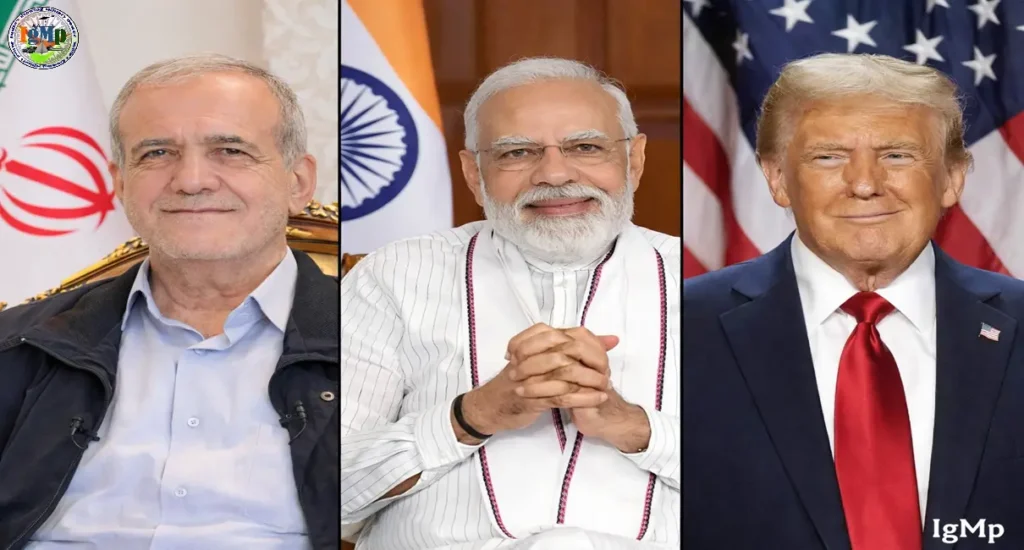
High-level diplomacy continued at the leadership level as well. Prime Minister Narendra Modi later spoke with Iranian President Masoud Pezeshkian to reinforce India’s neutral position and emphasize the importance of uninterrupted trade flows. The message from New Delhi was consistent: India would avoid taking sides in escalating regional rivalries but would actively work to keep vital energy routes open.
India’s balanced diplomacy extends beyond Tehran. New Delhi has also remained in constant contact with officials from the United States Department of State and security counterparts in Israel. These parallel diplomatic channels highlight the complex balancing act India performs—maintaining strong strategic ties with Washington and Tel Aviv while simultaneously preserving functional cooperation with Tehran.
Another episode during the crisis reinforced this image of neutrality. After tensions escalated in the region, an Iranian naval vessel identified as IRIS Lavan reportedly sought temporary shelter at an Indian port while operating in the Indian Ocean. India allowed the ship to dock on humanitarian grounds, providing logistical assistance without framing the move as a political gesture. Observers noted that such actions helped reinforce India’s reputation as a reliable and pragmatic regional actor.
Western media outlets have pointed out that India’s approach contrasts with traditional alliance-driven diplomacy. Instead of choosing sides during geopolitical confrontations, New Delhi often prioritizes dialogue and practical cooperation with multiple partners simultaneously. This strategy has allowed India to secure economic interests while avoiding direct involvement in regional rivalries.
For India, the stakes are particularly high. The narrow 21-mile-wide Strait of Hormuz is one of the world’s most important energy arteries, and any disruption could trigger price spikes and supply shortages that ripple across the Indian economy. Maintaining stable access to this route is therefore essential for both energy security and economic stability.
The safe passage of Indian tankers during a volatile period has highlighted how diplomacy, strategic patience, and a carefully balanced foreign policy can sometimes achieve what military power alone cannot. For many analysts watching from abroad, India’s ability to navigate this crisis while maintaining relations with rival powers has become a case study in modern geopolitical pragmatism—one that may increasingly shape how nations protect their economic lifelines in an uncertain world.