

Synopsis
- The requirement of a special marine commando unit was experienced in the 1980s when there was an increase in the threats of maritime insecurity and turmoil in the Indian Ocean.
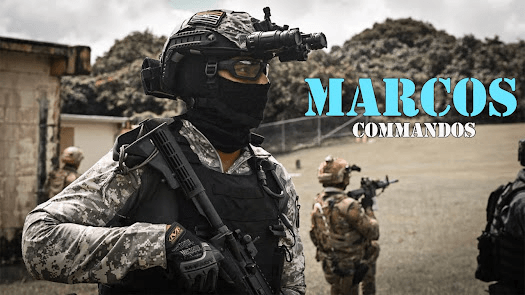
Indian Navy Marine Commandos, commonly abbreviated as MARCOS is one of the strongest and most highly feared special operations forces in the world. MARCOS are officially known as the Marine Commandos Force (MCF), and are based in the Indian Navy, and tasked with conducting maritime and counter-terrorism operations, unconventional warfare, covert activity, and operations on hostile shores. Their decades of track record in the precision, secrecy, and unmatched durability of high-risk missions have established a formidable reputation.
Often being compared with the US Navy SEALs and British Special Boat Service, MARCOS is often regarded as India’s own Navy SEALs. Their slogan, The Few, The Fearless, suggests the rigorous standards of their selection and the ruthless practice of their training, which produces every commando.

Establishment of the Force
Marine dedicated commando unit in India was an idea that came to being in the 1980s as the threats on maritime security started escalating in the Indian Ocean Region. Having seen the relevance of naval special forces in international wars, the Indian defense force felt the necessity of having an exclusive maritime strike force.
In the year 1987, the Indian Navy officially formed MARCOS. It was originally established as the Marine Commando Force, where it was developed to carry out amphibious warfare operations, special reconnaissance missions, direct action missions, and anti-piracy missions. The force took its initial experience in operation when India intervened in Sri Lanka in Operation Pawan.
Who are the Indian Navy Marine Commandos (MARCOS)? What is the History of this most potent Special Force of India?
Indian Navy Marine Commandos, or MARCOS is one of the most elite special operations forces in the world. The MARCOS operates under the Indian Navy but is designed to perform maritime special operations, counter-terrorism operations, rescue operations involving hostages, unconventional warfare, as well as covert operations on the ocean, in the air, and on land. They have a long history of earning a fearsome reputation for precision, duration, and secrecy with regard to operations.
Similar in many respects to such global special forces as the US Navy SEALs and the British Special Boat Service, MARCOS are regarded as one of the most challenging commandos in India. Their unofficial slogan, the Few, The Fearless, is a very accurate description of their highly exclusive recruitment process and high standards of training.
Establishment of the Force
The requirement of a special marine commando unit was experienced in the 1980s when there was an increase in the threats of maritime insecurity and turmoil in the Indian Ocean. The Indian defence institution felt the need to have a dedicated force that could execute amphibious operations and underwater missions that were highly risky and demanded specialized forces.

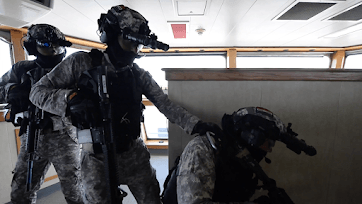
MARCOS was officially incorporated in 1987. The unit was originally known as the Marine Commando Force (MCF), the task of which was to conduct amphibious warfare, special reconnaissance, direct action, and anti-piracy operations. Initial deployment experience when India intervened in Sri Lanka assisted in having the combat doctrine and experience in the unit.
Gradually, MARCOS has developed into a very adaptable force able to serve all types of territories, like deep sea and coastal, to the jungles of thick vegetation, as well as high altitude areas like Jammu and Kashmir.
Notable Operations
MARCOS has been engaged in several high-ranked missions and classified operations since its establishment. Among its initial large-scale engagements was in operation pawan in Sri Lanka, during which commandos conducted amphibious raids and counter-insurgency operations.
MARCOS have been used as well in the counter-terror tactics of Jammu and Kashmir, especially in Dal Lake and other water-heavy areas, they are tactically advantaged because of their marine skills.
Their duties became national when terror attacks were reported in Mumbai in 2008. MARCOS was deployed alongside the National Security Guard to secure the coastal areas, inasmuch as carrying out counter-terrorist operations. They responded quickly, and this indicated the readiness of India concerning the issue of maritime infiltration.

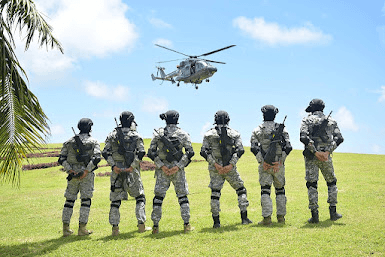
Besides this, MARCOS have also been a player in anti-piracy operations in the Gulf of Aden, which safeguard Indian and global shipping routes against pirates. A large part of their missions that have resulted in success is still classified because of the sensitive nature of their missions.
Training and Selection Procedure.
Joining and becoming a MARCOS commando is regarded as one of the hardest tests to pass through in the Indian armed forces. The process of selection is highly demanding, and the dropout rate is very high. Very few of the volunteers succeed during the initial screening.
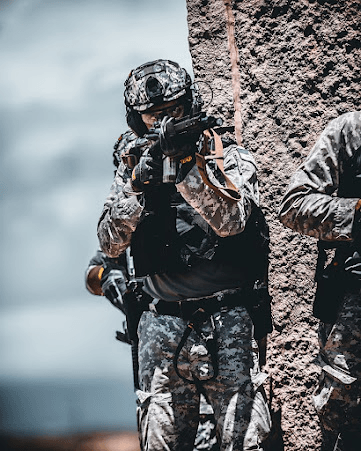
Training involves extreme combat diving, demolition, underwater, free-fall parachuting, close combat style, survival skills, and high altitude battle skills. The life of commandos is also trained to work under extreme conditions such as underwater for long periods or in full forests and snow forested mountains.
The training pipeline is also set to test not only physical stamina but also the mental strength. The lack of sleep, marathons with heavy luggage and constant simulation of the combats are regular elements of the program. This drastic training will make sure that any MARCOS member will be able to operate without relying on any form of backup in enemy territory should the need to do so arise.

Training and Practices with International Forces.
MARCOS has over the years become renowned and professional in the operation and excellence of their operations internationally. They routinely engage in interoperability and tactical knowledge training through joint exercises with highly trained foreign special forces units.
MARCOS holds bilateral and multilateral naval exercises like the Malabar Exercise with the United States Navy and other partner countries. These activities revolve around maritime security, anti-submarine warfare and coordination of the special operations.
They also have trained with special forces of such nations as the United Kingdom, France, and Israe,l and this has reinforced the defense alliances of India. These partnerships not only increase combat preparedness but also make MARCOS one of the best global maritime special forces teams.
The Future of MARCOS
Given the changing nature of maritime security issues such as growing piracy activities, maritime-based terrorists, and behemoth naval warfare, MARCOS will likely become even more important in the Indian defence strategy.
The Indian Navy is still modernizing its force to have modern weapon systems, stealth technology, night vision, and amphibious functions. As the Indian Navy continues to increase its USS opportunities throughout the Indo-Pacific, it is probable that MARCOS will lead in special operations, intelligence-driven operations, and expeditious response operations.
Since their inception in 1987 under the leadership of MARCOS, they have been the embodiment of the increasing Indian maritime force around the world. They are more than a national strategic defence base and fully operational, as they have a history, training, and operational brilliance that has seen them become the most powerful naval special force in India.


