

Synopsis
- Some looked on the engine choice as a step backward in achieving full self-reliance, but the move also demonstrated that India was practical and focused on doing what it was doing on the ground, while simultaneously working on developing its own engines.
The HAL LCA Tejas had started in the early 1980s. India realised that it needed more than purchasing foreign planes; it wanted to design and build its own fighters. The old MiG-21 planes were old, and it was getting expensive and risky to buy planes. In 1983, the Indian government initiated the Light Combat Aircraft (LCA) programme, and the Defence Research and Development Organisation (DRDO) provided the scientific direction. Soon thereafter, the Aeronautical Development Agency (ADA) was established to conduct the big project.
This was an ambitious goal: to design a modern, light, fast fighter on paper alone. It required sophisticated aerodynamics, composite materials, fly-by-wire control systems, and avionics integration. India had little experience with such. The state-owned company Hindustan Aeronautics Limited (HAL) was selected to make it.

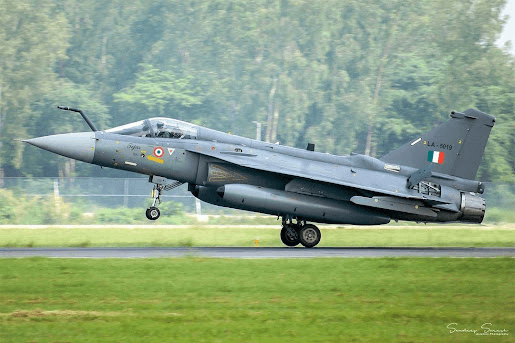
The naming of the plane was a matter of national pride; Tejas is a Sanskrit word (for burning materials) meaning the radiance. The program was not only about replacing a jet but was a hope to become a top aerospace country that can design and build excellent fighters.
Challenges Posed by DRDO & ADA In The Design And manufacturing Phase
Making a fourth-generation fighter is a huge engineering challenge. For DRDO and ADA, it was more difficult as India had little industrial base and had been denied world key technologies following its nuclear tests.
Building a digital fly-by-wire system was a high challenge. These systems are used to replace manual controls with electronics and are required in highly manoeuvrable, unstable aircraft such as the Tejas. India did not receive much foreign assistance so its engineers had to design and test the system in India, which was a significant technical step for India.
Another new idea was making heavy use of carbon fiber composites in the Tejas body. At that time, only some countries were good in building composite fighters. This choice made the plane lighter and better, but it required brand new methods of production and tight quality control at HAL.
Delays were unavoidable. Costs went over the budget and long time frames were criticised, but there was also the steep learning curve of creating an aerospace industry almost from scratch. Over the years, India developed new testing centres, simulation models and supply chains, which will be helpful in future projects.
Engine Dilemma and American GE Engine Inclusion Post failure of local Kaveri power plant.
The biggest problem with the Tejas was the engine. India wanted to use a local Kaveri turbofan made by the Gas Turbine Research Establishment (GTRE), a DRDO engine unit. But the Kaveri had had some serious problems: not providing sufficient thrust, being heavy, and unreliable.

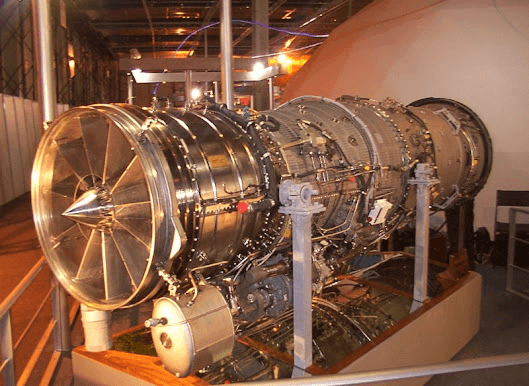
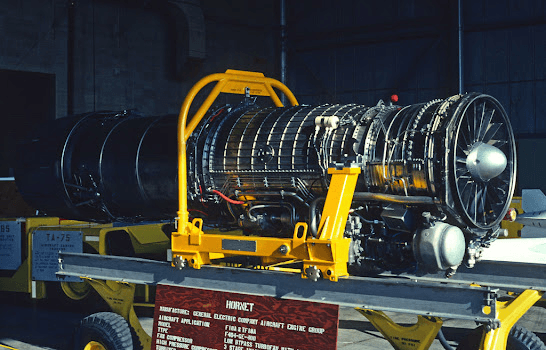
After many years, it was apparent that the Kaveri would not fulfill the needs within a reasonable period of time. So India imported the F404 engine from the American company General Electric to fly the Tejas Mk1. The engine provided the required thrust and reliability, and the plane was flown and accepted.
Later models, such as the Tejas Mk1A and future Mk2, will also have stronger GE engines, which will improve performance. Some looked on the engine choice as a step backward in achieving full self-reliance, but the move also demonstrated that India was practical and focused on doing what it was doing on the ground, while simultaneously working on developing its own engines.

Stringent Testing and First Flight.
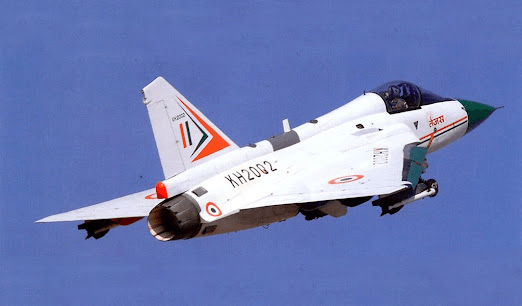
On 4th Jan 2001, LCA Tejas got its maiden flight carried out in Bengaluru. That day India joined the club of selected nations that can design and fly their own supersonic.
The testing was comprehensive and systematic. They did high-speed taxi tests, extended-range tests, weapon integration tests, and hot- and high tests to see how the plane performed in tough conditions. They tested the agility, avionics, radar, and weapons fit of the plane.
They had also designed naval versions to fly from the decks of aircraft carriers, demonstrating the platform’s adaptability. Each test resulted in minor improvements, and the Tejas became a battle ready fighter.

Weaknesses Identified by the Parliamentary Standing Committee on Defence.
In spite of the technology working, the program was criticised in 2015 by the Parliamentary Standing Committee on Defence. The Parliamentary Committee pointed out a host of flaws and drawbacks in the LCA Tejas program, such as delays, overspending, and performance not meeting the initial plans.
Critics pointed out that early versions have low payload, short range, and maintenance problems. They also questioned how rapidly HAL could produce planes and how long the process took to get final clearance to use.
Critics also say such problems are normal in new and complicated defence projects. Many problems have been corrected with the improvements and feedback of the Indian Air Force over the years. For example, the Mk1A upgrade added better avionics, an AESA radar, easier maintenance, and better electronic warfare.
Upgrade and Follow-on Orders Indian Air Force Service.
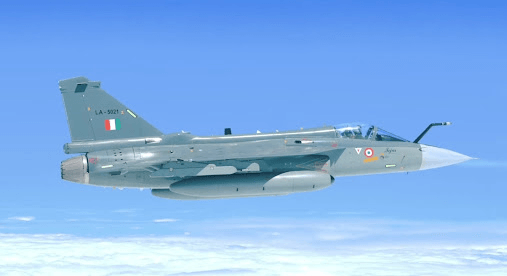
The LCA Tejas became a part of the Indian Air Force (IAF) in 2016. The first squadron, No.45 Squadron, Flying Daggers, was established at Sulur Air Force Station, and development issues became a distant thing.
Its first commercial service was with the Initial Operational Clearance (IOC) version of the plane, but it was upgraded to Full Operational Clearance (FOC) later. At that time, the IAF had procured numerous Tejas Mk1A aircrafts depicting its trust in the aircraft.
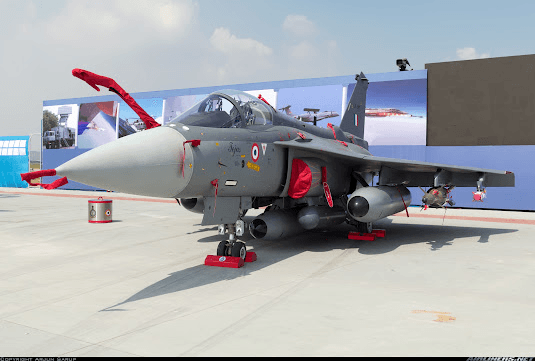
The newly upgraded version Mk1A possesses a modern AESA radar, beyond-visual-range missiles, superior electronic warfare equipment and more convenient maintenance. Factories of HAL have been increased to increase supply and expedite deliveries.
The LCA Tejas has been interpreted as being a major component of the IAF strategy of maintaining a powerful squadron in the face of older aircraft retiring.

Perspectives and Direction.
The LCA Tejas is turning into an aircraft family. Bigger and heavier by approximately 1.5 tonnes is the Tejas Mk2 that is being developed to bridge the space between the light fighter and the heavy multi-purpose jet.
India is also developing the Advanced Medium Combat Aircraft (AMCA), which is a fifth-generation stealth fighter. Such technology as composite components, computer-based flight control, and integration of the systems developed as part of the LCA Tejas program forms a valuable background to that work.
The lessons that India received during the LCA Tejas program have led to an improvement in the aerospace supply chain, development of the aerospace sector in the private sector, and domestic research. It has made India not a licence-based assembler of its aircrafts but it is capable of designing and constructing its own aircraft.

Global Interests.
Due to the fact that the world’s manufacturers are interested in inexpensive yet competent multi-purpose planes, the LCA Tejas is gaining international attention. A number of countries in Southeast Asia, Africa and Latin America seek to study, to make purchases.
India would like to make Tejas a competitive light fighter. It is also attractive due to its lower purchase and maintenance costs, and it may carry up-to-date avionics and weapons, which is desirable to any country that desires to have an inexpensive airpower without the loss of performance.
Export prospects are time-consuming and entail complicated negotiations, and the fact that the Tejas is being offered in foreign biddings indicates that the program is moving forward. Since the 1980s, from prototype to a warplane that has attracted global attention, the LCA Tejas is an indication of how India is determined to compete and remain among the world’s airplane producers.


