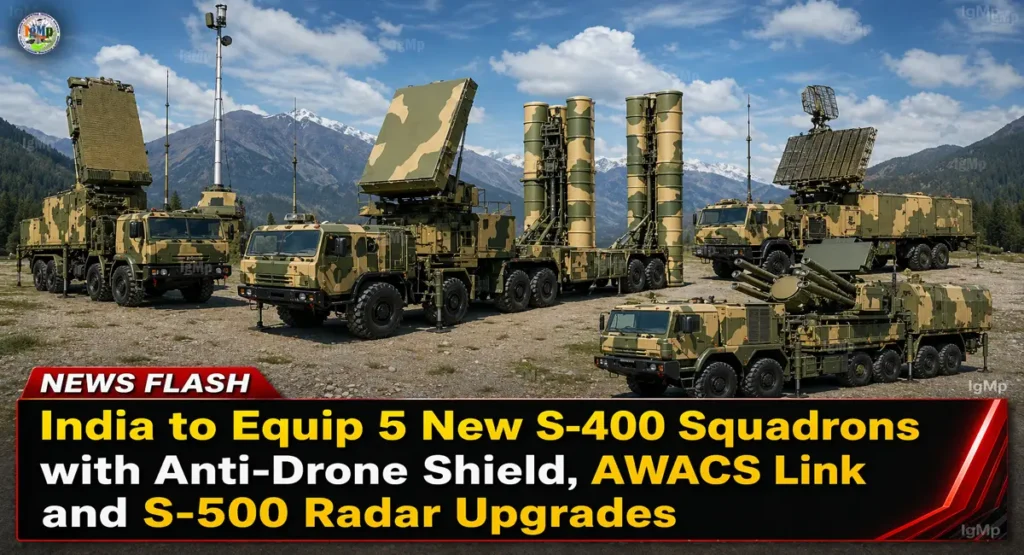
The Indian Air Force’s S-400 strategy has now shifted from simple area denial to full saturation resilience. The dense aerial environment seen during Operation Sindoor in May 2025 proved that future air defence battles will not depend only on stopping fighter jets or ballistic missiles. They will depend on surviving mass drone attacks, loitering munitions, and low-RCS targets moving in large numbers.
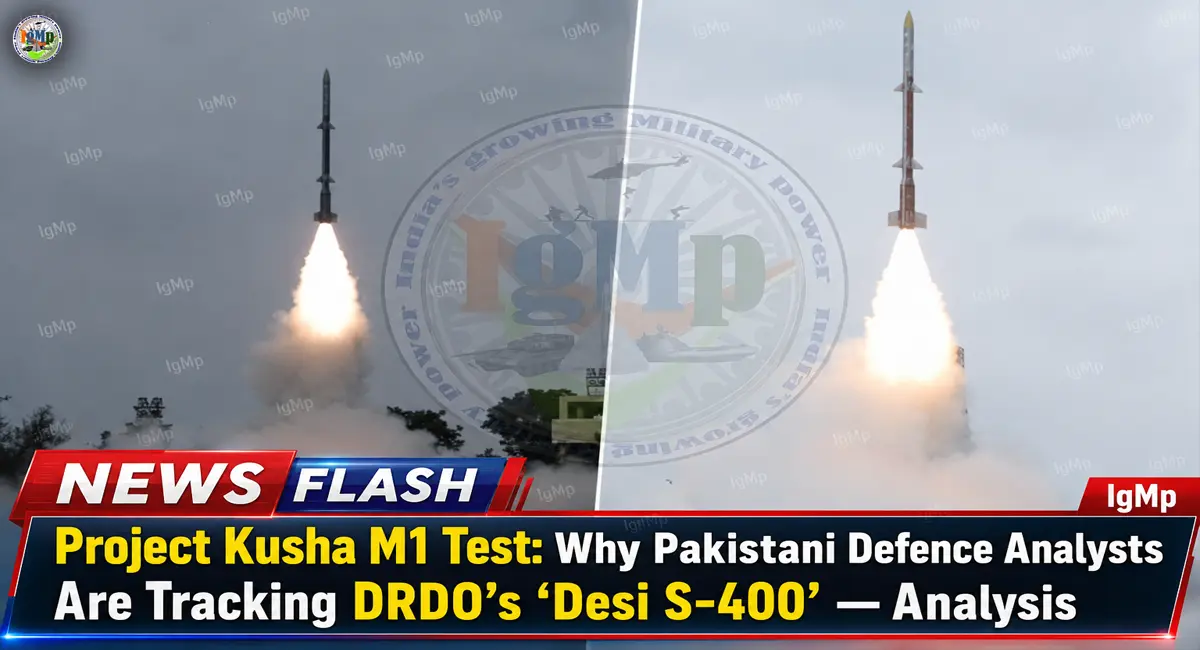
That lesson is shaping India’s next five S-400 Triumf squadrons, which are expected to receive major upgrades beyond the standard Russian configuration. These enhancements include back-ported S-500 Prometheus radar technology, stronger anti-drone capability, deeper integration with Netra MkII AWACS, and a multi-layered point-defence shield designed for modern swarm warfare.
This is no longer just about buying another missile system. It is about transforming the S-400 into a networked, high-volume interceptor shield capable of protecting Indian airspace against next-generation threats.
What S-500 technology is India getting in the new S-400 squadrons?
The most important upgrade lies inside the radar architecture.
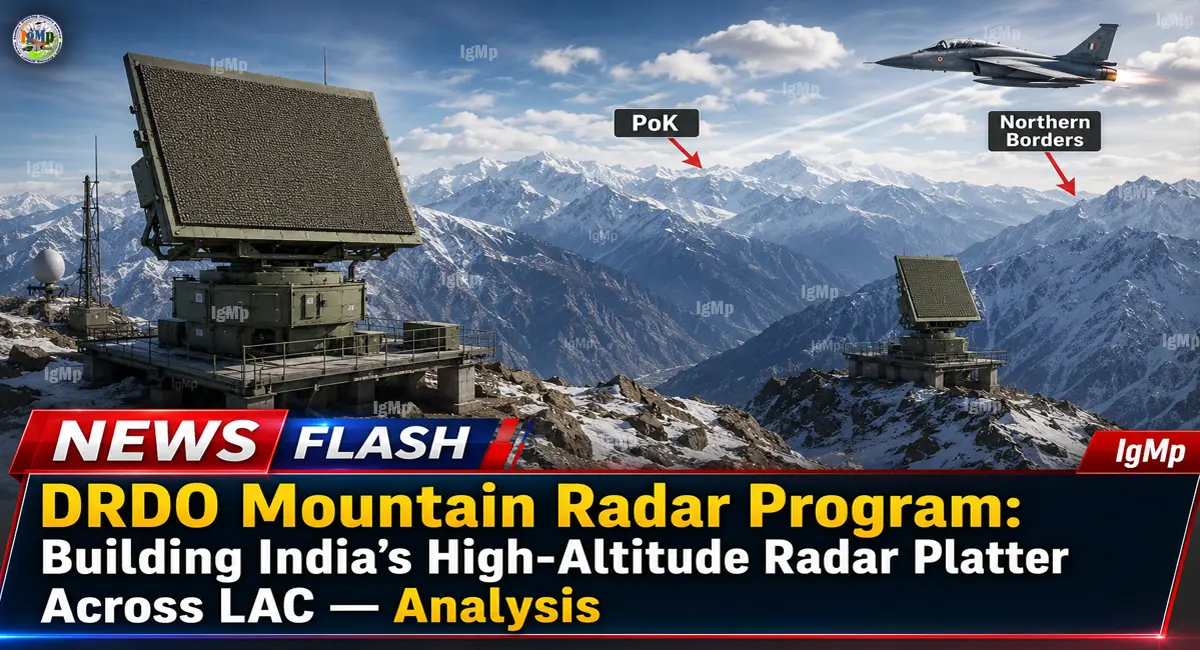
India’s future S-400 units are expected to benefit from advanced processing features derived from the S-500 Prometheus, especially improvements linked to the 91N6E panoramic radar. This is not a full S-500 transfer, but a back-porting of critical radar intelligence.
The biggest advantage comes from what many analysts describe as cognitive radar algorithms. These allow the system to better identify low-Radar Cross Section targets such as kamikaze drones, stealthy cruise threats, and even objects that attempt to hide within clutter.
In practical terms, the radar can distinguish between a bird and a small hostile drone with much higher confidence. That matters because false tracking wastes missiles, while delayed tracking creates fatal gaps in air defence.
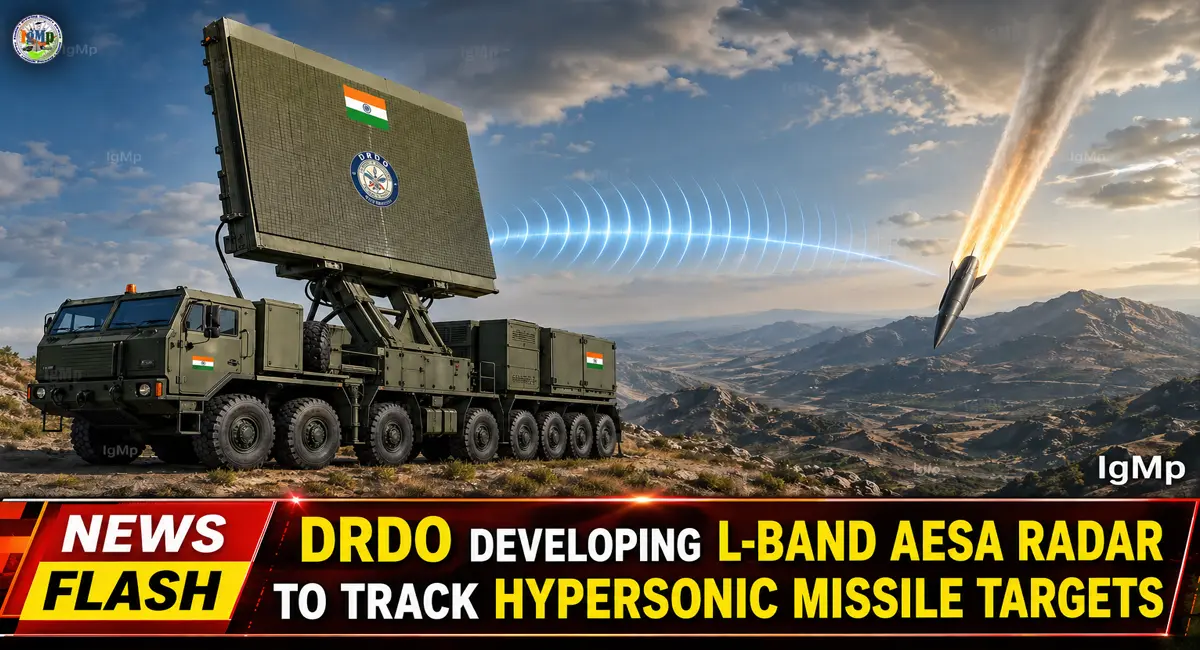
This upgrade also improves detection of hypersonic and high-speed ballistic threats. It pushes the S-400 beyond a conventional SAM role and closer to a strategic layered shield.
Technical Comparison
| Upgrade Feature | Technology Source | Tactical Benefit |
|---|---|---|
| Radar Processor | S-500 Prometheus | Superior discrimination of small and stealth drones |
| Missile Loadout | 9M96E2 (Quad-Pack) | 16 missiles per launcher instead of the original 4 |
| Network Link | Netra MkII / AWACS | Over-the-horizon engagement through Cooperative Engagement Capability |
| Point Defence | Pantsir-S1M / Indigenous VSHORADS | Protection against leaker drones and loitering munitions |
How does the S-400 upgrade counter drone swarms?
Drone swarms changed the battlefield in 2025, and India’s response now focuses on missile density.
The upgraded squadrons are expected to use the 9M96E2 interceptor, which supports a quad-pack configuration. Instead of carrying four large interceptors per launcher, the system can carry up to sixteen smaller missiles for high-volume engagements.
This matters because swarm attacks depend on saturation. The goal is not always precision destruction, but forcing the defender to run out of missiles.
By increasing missile count per launcher, the S-400 becomes more resilient against repeated drone waves. It can keep firing longer without immediate reload pressure.
India is also expected to integrate Pantsir-S1M and indigenous VSHORADS as the tertiary protection layer. This creates a close-range shield against smaller threats that break through the outer defensive ring.
That layered structure reduces cost and improves survivability.
How does the Netra Mk2 AWACS link change the battle?
The next major leap comes through Cooperative Engagement Capability (CEC).
CEC allows an S-400 battery to fire using targeting data from another platform, such as the Netra Mk2 AWACS, without switching on its own target-revealing radar.
For example, an S-400 launcher in Punjab could engage a hostile target tracked by a Netra aircraft flying over Rajasthan. The missile launches based on shared battlefield awareness rather than local radar illumination.
This creates a major tactical advantage. The S-400 can stay quieter, harder to detect, and less vulnerable to anti-radiation attacks.

In modern warfare, survival depends on not becoming the first visible emitter. CEC helps India fight without exposing its strongest shield too early.
The Analyst’s View: Is the S-500 upgrade enough?
The answer depends on software sovereignty.
Hardware upgrades matter, but long-term success depends on whether India can independently adapt the radar to identify new Chinese drones, new electronic warfare signatures, and evolving stealth patterns.
If India depends fully on foreign updates for every software adjustment, strategic autonomy remains incomplete.
That is why we see the radar processor as only half the story. The real test lies in operational control over threat libraries and identification logic.
India’s S-400 network is moving toward a multi-layered, nearly un-jammable shield. But true independence will come only when India controls not just the missile launch, but also the digital brain that decides what deserves to be shot.
That is the real lesson after Operation Sindoor. The future of air defence belongs to systems that can think, not just fire.