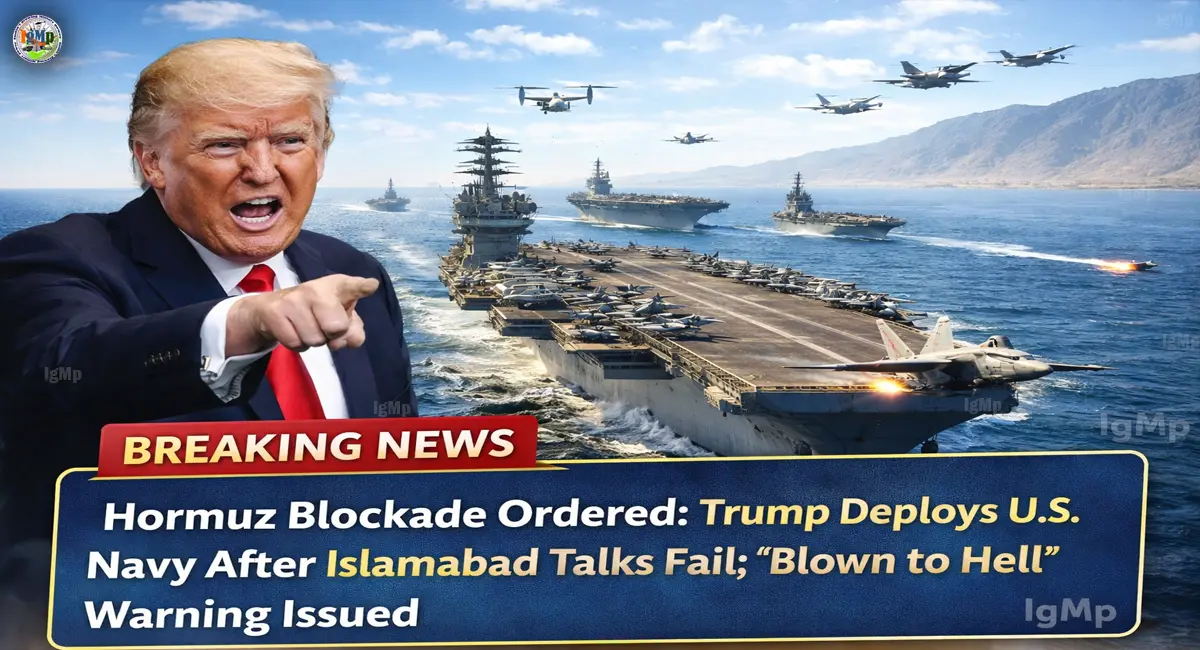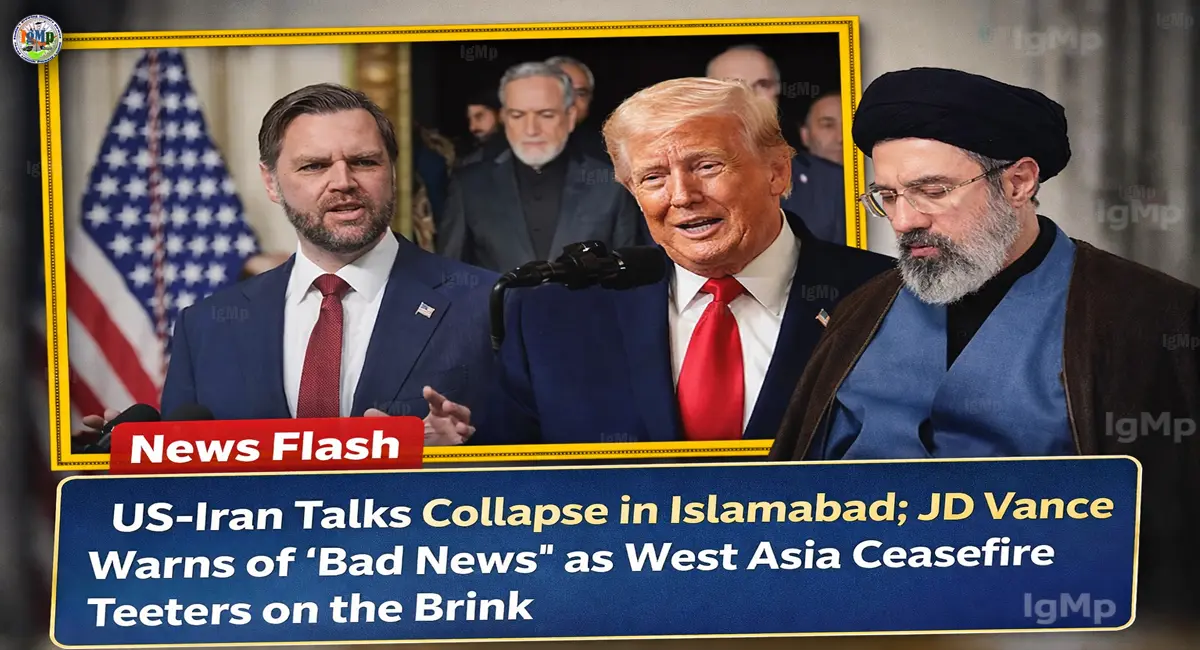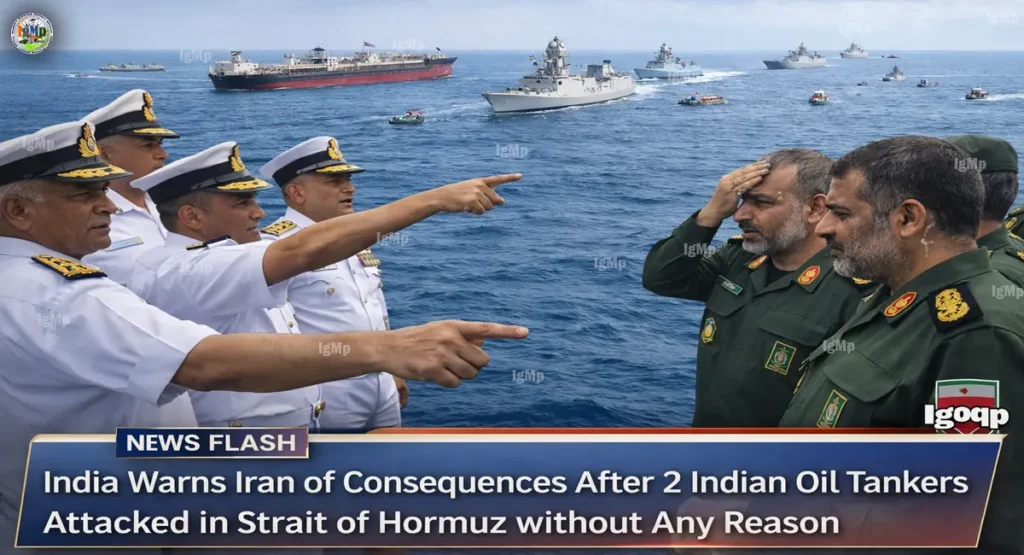
Tensions in the Strait of Hormuz escalated sharply after Iranian naval forces opened fire on two Indian-linked crude carriers—Jag Arnav and Sanmar Herald—north of Oman, forcing both vessels to abort their transit despite carrying millions of barrels of oil. Officials confirmed no casualties, though the impact shattered cabin glass on one ship, underscoring the seriousness of the encounter.
New Delhi has responded with a firm diplomatic protest, summoning Iran’s envoy and warning of consequences, while reiterating that India will not accept any coercive “toll” regime reportedly being pushed by the Islamic Revolutionary Guard Corps. The episode unfolds against a tense backdrop, with the Iranian warship IRIS Lavan still docked at Kochi Port after seeking refuge, following the reported sinking of its sister ship IRIS Dena near Sri Lanka earlier in March.
The posture of the Islamic Revolutionary Guard Corps has shifted in recent weeks. Patrol craft now operate with greater assertiveness. Radio challenges and close-range maneuvers appear more frequent. These actions signal intent without crossing into open conflict.
Unconfirmed but widely discussed reports of a naval incident involving an Iranian vessel in early March 2026 have added to the tension. The lack of clarity fuels speculation. It also raises the stakes across the Indian Ocean Region. For India, the concern remains clear. Even limited disruptions in this corridor can affect energy security and freight stability.
Why is the IRGC collecting a toll in the Strait of Hormuz?
Analysts now describe Iran’s evolving posture as a “Strategic Toll Gate.” The approach does not rely on formal declarations. It instead uses pressure tactics to influence maritime behaviour.
The naval arm of Iran appears more aggressive than its diplomatic channels. This contrast suggests a gap in messaging within the Iranian system. While diplomats call for stability, maritime forces signal control. This duality creates uncertainty for commercial shipping.
So the key question emerges: Why is the IRGC collecting a toll in the Strait of Hormuz?
The answer lies in leverage. Control over this chokepoint offers Iran a tool to influence global oil flows. Even limited interference can drive insurance costs and shipping delays. That effect alone can shift market dynamics.
For India, this tactic creates a complex challenge. It must protect its vessels without triggering escalation. At the same time, it cannot accept informal coercion in a critical sea lane.
Why Iran Must Not Provoke India as Indian Navy the King of Indian Ocean is Already Deployed Near the Strait of Hormuz
India has prepared for such contingencies over the past decade. Under Sankalp Operation 2026, the Indian Navy has adopted a layered maritime security model. This model blends deterrence with constant surveillance and ensures constant operational readiness in high-risk waters.
Frontline destroyers like the Kolkata-class destroyer and Visakhapatnam-class destroyer anchor this strategy. These platforms carry the supersonic BrahMos missile, which travels at nearly Mach 3 and strikes targets well before smaller hostile craft can close the distance. This capability shifts the engagement balance decisively in India’s favour.
Air defence remains equally robust. The Barak-8 missile system forms the backbone of fleet protection. It creates a defensive shield against drones and incoming missiles. Close-in systems add another layer by handling last-minute threats, forming a tight protective envelope around critical assets.
Surveillance completes the picture. The MH-60R Seahawk operates alongside the MQ-9B SeaGuardian to provide constant monitoring. These platforms extend visibility far beyond the horizon and allow commanders to track movement patterns and respond early.
Key Capabilities:
- BrahMos Supersonic Strike Edge
Deployed on Kolkata-class destroyer and Visakhapatnam-class destroyer
→ Mach 3 strike capability
→ Engagement range far beyond small IRGC patrol craft - Barak-8 Air Defence Shield
Built around the Barak-8 missile system
→ Neutralises drones, cruise missiles, and aerial threats
→ Works in tandem with close-in systems like AK-630 - Over-the-Horizon Surveillance Network
Powered by MH-60R Seahawk and MQ-9B SeaGuardian
→ 24/7 maritime domain awareness
→ Early threat detection before visual contact
This integrated approach ensures that Indian naval units maintain awareness and control at all times. It reduces reaction time, strengthens deterrence, and ensures that any potential threat gets neutralised before escalation.
What happens if India stops paying the Hormuz toll?
India has never accepted any formal toll system in the Strait of Hormuz. However, if coercive practices intensify, the response could evolve quickly.
The first step would likely involve structured convoy escorts. Warships would accompany tankers through high-risk zones. This method reduces vulnerability and signals resolve. It also ensures rapid response in case of interference.
The second step could involve a shift in rules of engagement. Indian naval units may adopt a firmer stance against harassment. Clear boundaries would define acceptable behaviour in these waters.
A third possibility involves increased deployment. India could expand its presence across key maritime corridors. This move would project stability and reassure commercial operators.
Each of these steps would reflect a transition from passive security to active deterrence. The aim would remain clear: protect national interests without triggering open conflict.
The Strategic Bottom Line: Maritime Sovereignty at Stake
The current situation extends beyond isolated incidents. It reflects a broader contest over maritime influence and energy security. Control over chokepoints like the Strait of Hormuz carries global consequences.
India’s response so far shows discipline and preparedness. It combines restraint with capability. This balance allows India to manage risk without appearing reactive.
However, prolonged pressure may force stronger action. India has the tools to secure its shipping lanes independently. Its naval doctrine already supports sustained deployment in distant waters.
Maritime sovereignty now sits at the centre of this evolving equation. India does not seek confrontation. Yet it remains prepared to defend its interests with clarity and resolve.