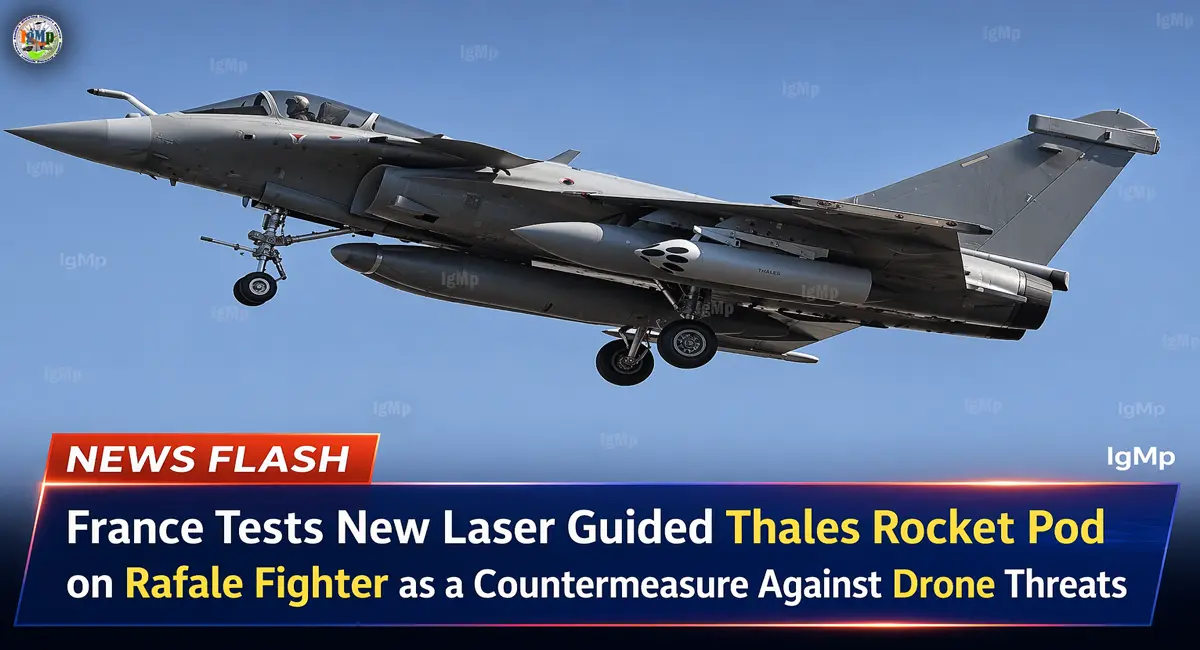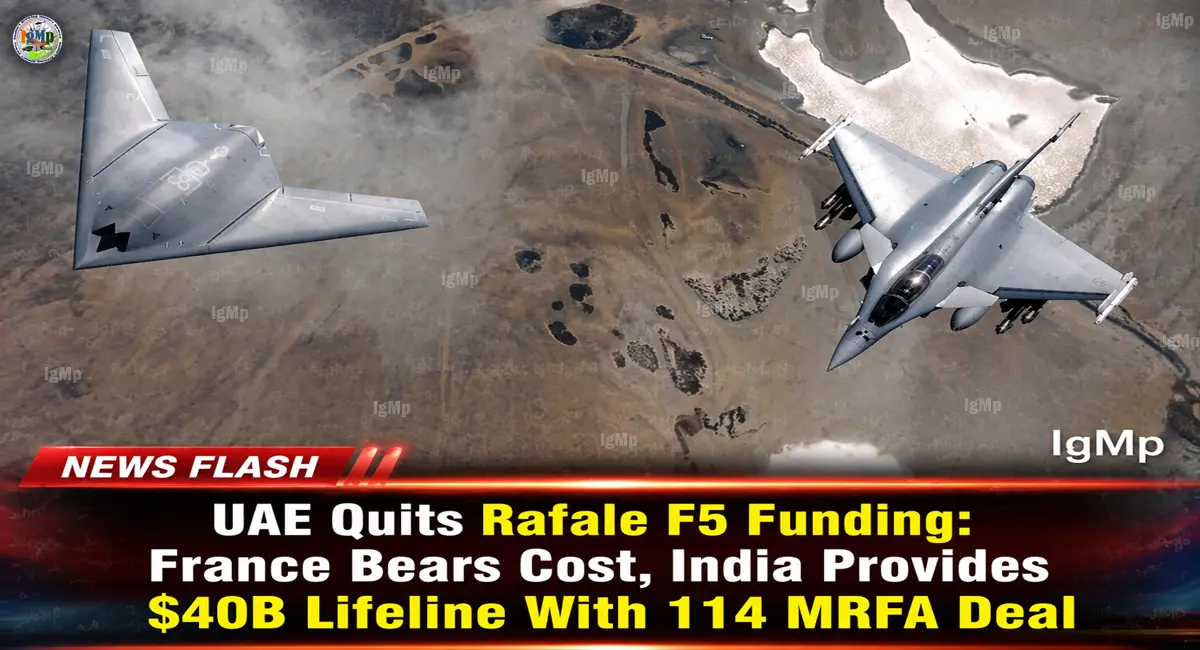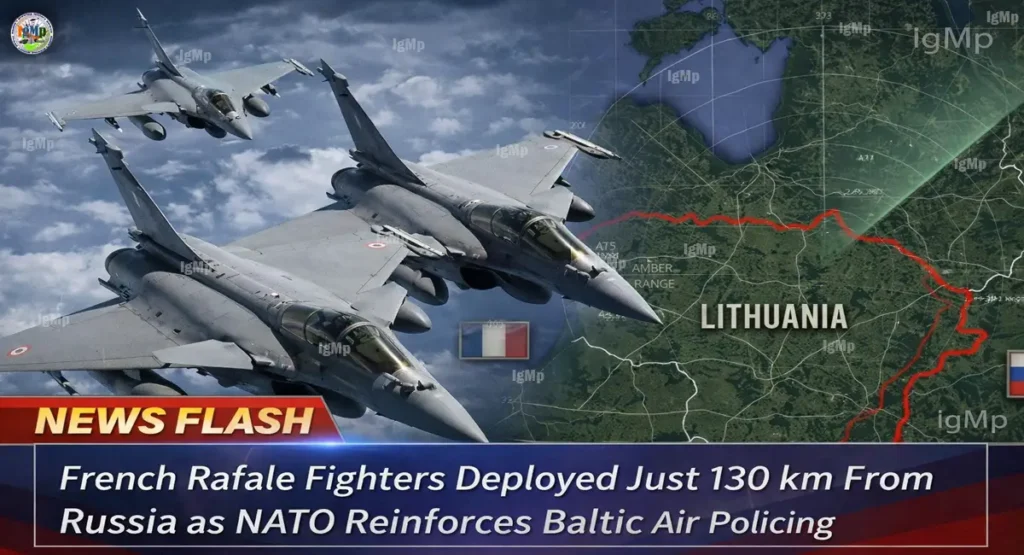
As per reports, the French Air Force deployed Rafale fighter jets to Lithuania’s Šiauliai Air Base, placing them just 130 kilometers from the Russian border as part of NATO’s Baltic Air Policing mission. The move comes amid heightened military activity across NATO’s eastern flank and coincides with French Army exercises involving Leclerc main battle tanks in Romania, signaling a broader effort to reinforce alliance defenses near Russia.
The Rafale deployment places advanced NATO combat aircraft within rapid response distance of the Baltic region and key Russian military zones near Kaliningrad and St. Petersburg. While the mission officially focuses on airspace patrol and interception duties, the aircraft’s long-range strike capability means they also function as a mobile missile platform capable of delivering precision strikes deep inside contested territory if required.
France’s involvement reflects increasing European efforts to strengthen deterrence along NATO’s eastern border as geopolitical tensions with Russia remain elevated.
What Is the Strategic Range of French Rafales in Lithuania?
Operating from Šiauliai Air Base in northern Lithuania, the Rafale fighters can quickly reach large portions of Eastern Europe and the Baltic Sea region. Their combat radius allows them to patrol airspace across Lithuania, Latvia, Estonia, and surrounding maritime corridors.
Key capabilities of the Rafale fighter include:
- Combat Radius: Approximately 1,000–1,850 km depending on mission profile
- Primary Radar: RBE2-AA Active Electronically Scanned Array (AESA) radar
- Primary BVR Weapon: Meteor beyond-visual-range air-to-air missile
- Strike Capability: SCALP long-range cruise missile
- Role: Air superiority, interception, and precision strike missions
With these weapons, Rafale fighters deployed in Lithuania are capable of intercepting hostile aircraft over the Baltic region while also maintaining the ability to conduct long-range strike missions if necessary.
The aircraft’s advanced sensors and network-centric warfare capabilities allow it to operate effectively within NATO’s integrated air defense architecture.
How Does the Rafale Compare With Russia’s Su-35 and Su-57 Fighters?
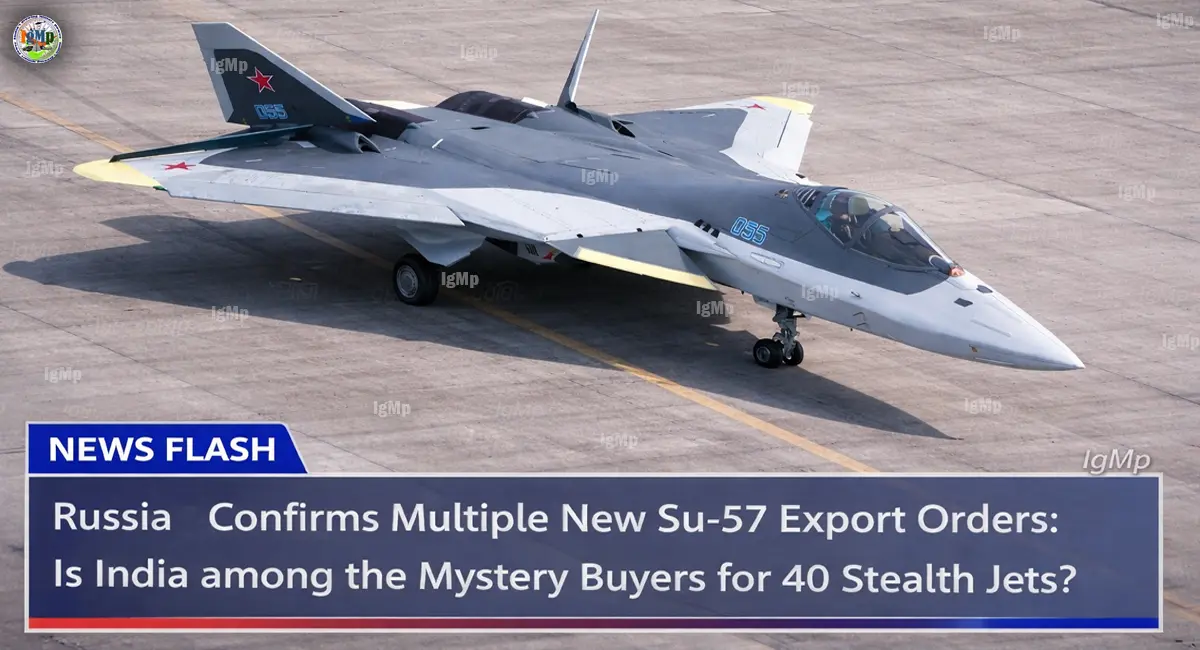
The Rafale is often compared with advanced Russian fighters operating in the region, particularly the Su-35 and the fifth-generation Su-57.
Although the Rafale is smaller than the Su-35, it compensates with highly advanced avionics, sensors, and missile integration.
Key differences include:
- Rafale: Equipped with Meteor missiles and AESA radar optimized for network-centric warfare
- Su-35: Larger airframe with powerful radar and long detection range
- Su-57: Designed for stealth operations with advanced sensors and internal weapons bays
One notable difference is radar design. The Rafale uses the RBE2-AA AESA radar, which can track multiple targets simultaneously and is highly resistant to electronic jamming. Russian aircraft such as the Su-35 rely on larger radar systems that provide impressive detection range but may face greater vulnerability in heavily contested electronic warfare environments.
In the Baltic theatre, where NATO and Russian forces both maintain sophisticated electronic warfare capabilities, radar resilience and sensor fusion play a critical role in determining operational effectiveness.
What Are the Implications of Simultaneous Leclerc Tank Drills in Romania?
The Rafale deployment is occurring alongside French Army exercises involving Leclerc main battle tanks at the Cincu training hub in Romania, another key NATO location on the alliance’s eastern flank.
Together, these activities indicate a coordinated effort by France to strengthen both air and ground deterrence capabilities across Eastern Europe.
Romania’s Cincu base has become a major NATO training center since the war in Ukraine, hosting multinational forces designed to reinforce the alliance’s defensive posture in the region.
The parallel exercises highlight France’s growing role as a major European military contributor within NATO.
2026: A Turning Point for French Military Readiness?
French military leaders have increasingly emphasized the need for higher readiness levels across Europe.
French Army Chief General Pierre Schill has warned that the security environment facing Europe is becoming more unpredictable, requiring armed forces to be prepared for high-intensity conflict scenarios.
Similarly, President Emmanuel Macron has repeatedly called for stronger European defense capabilities and greater strategic autonomy within NATO.
The Rafale deployment to Lithuania, combined with armored training exercises in Romania, illustrates how France is translating these strategic priorities into tangible military deployments.
Strengthening NATO’s Eastern Flank
Ultimately, the presence of Rafale fighters in Lithuania serves as a visible demonstration of NATO’s commitment to defending Baltic airspace.
By stationing advanced fighters close to the Russian border while simultaneously conducting ground exercises further south, the alliance is reinforcing a multi-domain deterrence posture stretching from the Baltic Sea to the Black Sea.
As tensions between Russia and NATO remain unresolved, such deployments are likely to become a recurring feature of the evolving security landscape across Europe’s eastern frontier.