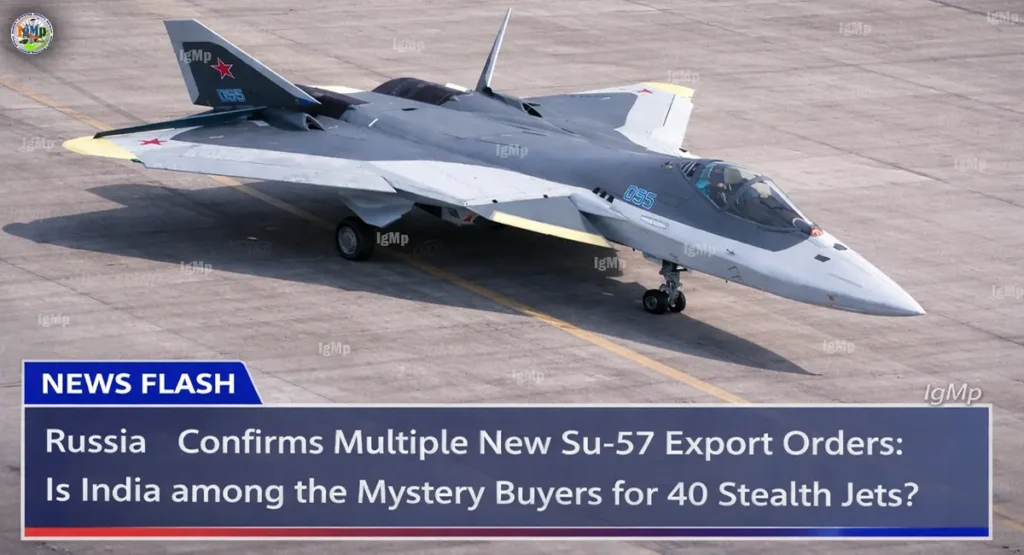
During the DSA 2026 exhibition in Kuala Lumpur, Rosoboronexport confirmed that it has signed export contracts for the Sukhoi Su-57 with multiple unnamed countries. Algeria has already inducted the aircraft, while new buyers remain officially undisclosed. Industry assessments now point toward India, Iran, and North Korea as the most likely recipients of Russia’s flagship stealth platform.
The announcement signals a renewed push by Russia to expand its fifth-generation fighter footprint. It also reflects growing demand among nations seeking alternatives to Western platforms like the F-35, especially those facing technology restrictions or sanctions.
Which countries have ordered the Su-57 Felon?
Confirmed and probable operators now form a small but strategically significant group. Algeria stands as the first confirmed export customer, with operational deployment already observed at Oum El Bouaghi Air Base.
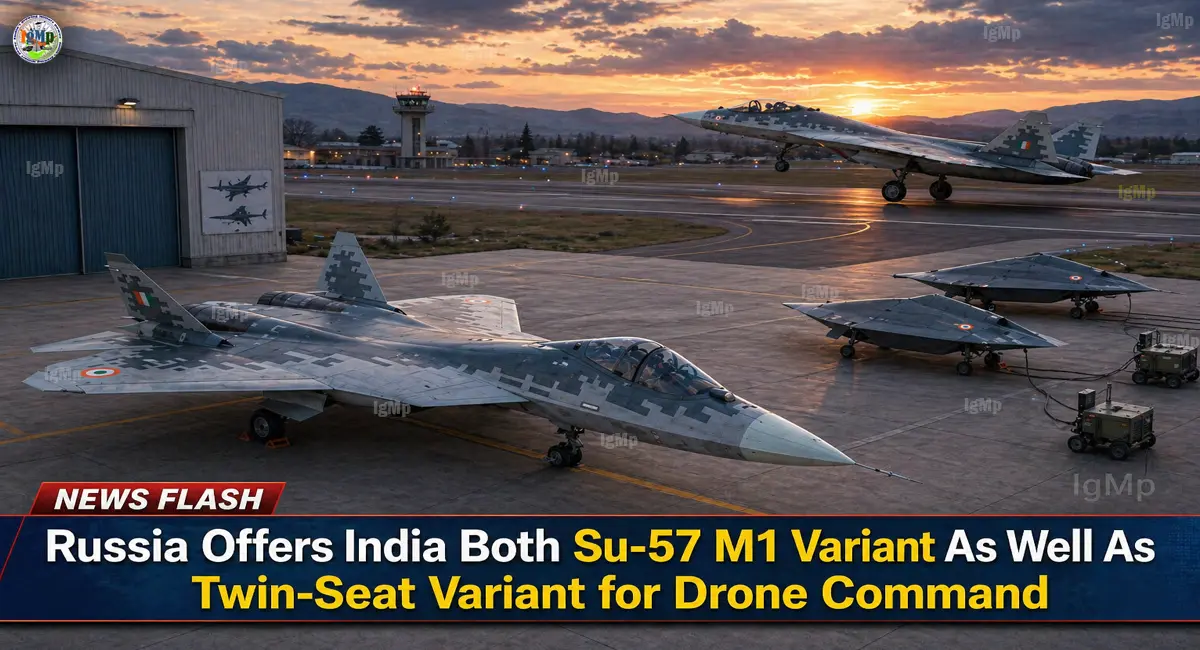
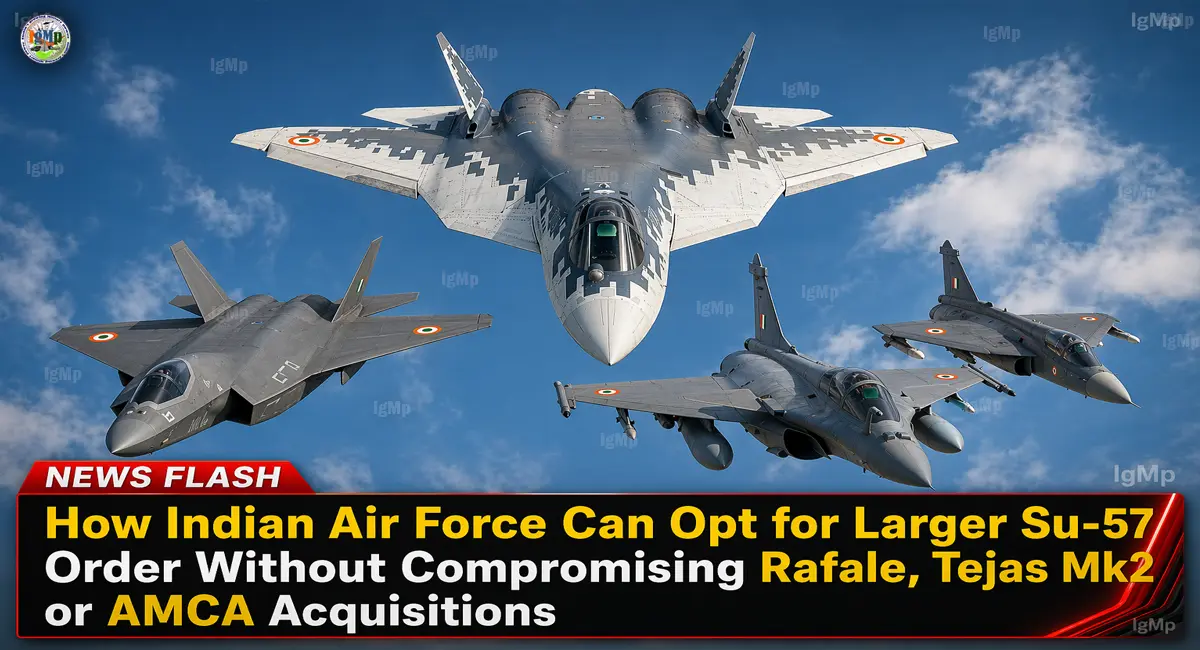
Among the potential buyers, India remains the most closely watched. The Indian Air Force faces a widening capability gap in air superiority as regional competitors expand their fleets. Reports suggest that India is evaluating an initial purchase of around 40 Su-57 fighters as an interim solution.
Iran also emerges as a strong candidate. Its recent defence cooperation with Russia, including helicopter acquisitions, supports this trajectory. North Korea presents a more complex case, where any transfer would likely occur under technical assistance frameworks rather than direct sales.
From a geopolitical perspective, Russia appears to be building a network of Su-57 operators across Asia and the Middle East. This expands its defence influence while countering Western dominance in advanced fighter exports.
What does Russia’s ‘source code’ offer mean for India’s Su-57 program?
Russia’s offer of full source code access marks a major departure from Western export models. Platforms like the Lockheed Martin F-35 Lightning II operate as closed systems. Buyers cannot modify core software or integrate indigenous weapons without approval.
In contrast, the Su-57 offer allows deep customization. India could integrate systems developed by DRDO, including advanced missiles and radar software.
This opens the door for seamless integration of the BrahMos-NG and future indigenous air-to-air weapons. It also aligns with ongoing work on the Virupaksha AESA radar for upgraded Su-30MKI fleets.
The tactical math for the IAF has changed. A fleet of 40 off-the-shelf Su-57s could deliver immediate air dominance while India continues development of the AMCA.
Su-57 vs F-35: Why are nations choosing the Felon?
| Feature | Su-57 (Felon) | F-35 (Lightning II) |
|---|---|---|
| Max Speed | Mach 2.0 (Supercruise) | Mach 1.6 |
| Combat Experience | High-intensity conflict zones | Limited stealth engagements |
| Weapons Load | 6 internal + large external | 4 internal (standard) |
| Source Code | Full access offered | Restricted |
| Strength | Maneuverability & range | Stealth & sensor fusion |
The Su-57 emphasizes speed, agility, and range. It suits nations that prioritize air superiority and long-range strike capability. The F-35 focuses more on stealth penetration and networked warfare.
For countries outside the Western alliance system, the Su-57 offers operational flexibility. The ability to modify software and weapons integration remains a decisive advantage.
What factors are driving Russia’s export push?
Recent developments inside Russia have also influenced this export drive. A fire at a key composite manufacturing facility in April 2026 disrupted production timelines. Export orders now serve as a financial and industrial stabilizer.
Russia aims to scale production while funding infrastructure recovery. Export deals provide both capital and long-term partnerships.
The DSA 2026 platform also highlights Moscow’s intent to reposition itself in global arms markets. It targets regions where Western systems face political or regulatory barriers.
Strategic implications for India and the region
India’s potential entry into the Su-57 ecosystem would reshape regional airpower balance. It would provide a fifth-generation capability years before the AMCA becomes operational.
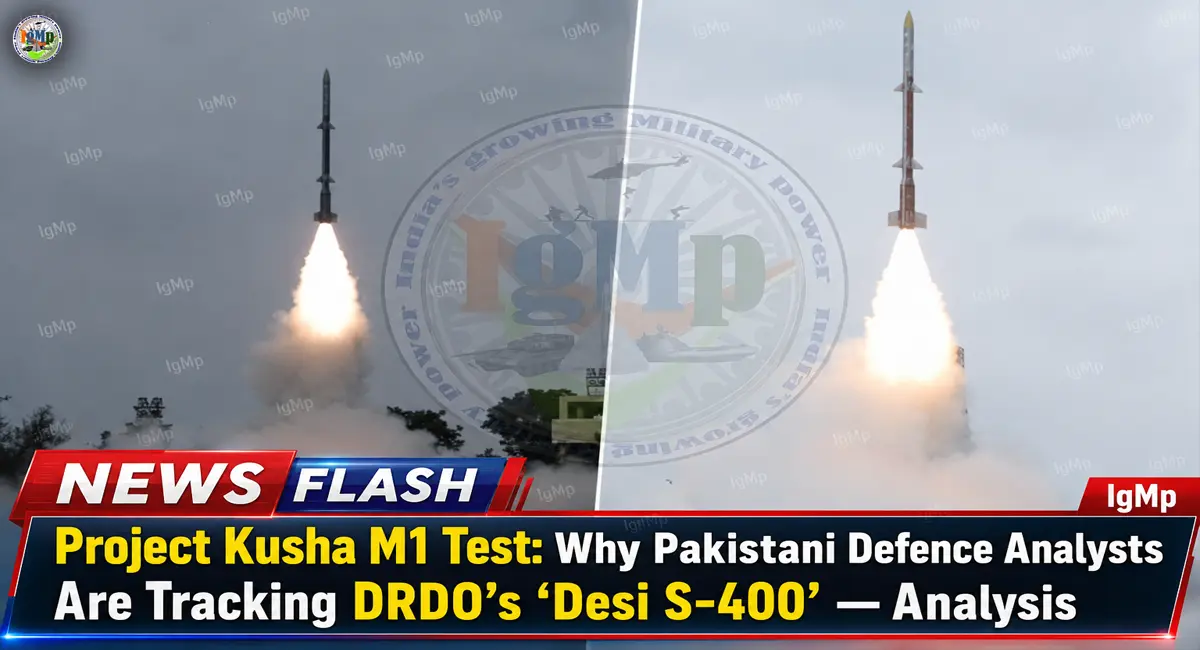
This move also connects with India’s broader defence ecosystem. A Su-57 armed with systems like BrahMos-NG and supported by advanced air defence layers such as Project Kusha creates a powerful integrated network.
Our analysis of search trends shows rising interest in “Su-57 vs AMCA timelines.” This reflects growing public and strategic focus on how India bridges its current capability gap.
The broader takeaway remains clear. Russia’s export push is not just about selling aircraft. It is about shaping alliances, enabling technology transfer, and redefining the balance of airpower across Asia.